Being able to listen
It may seem an easy task to be able to listen. However, there can be complications around listening. You may feel inclined to answer or suggest solutions. This feels important and helpful, but in reality, it is not.
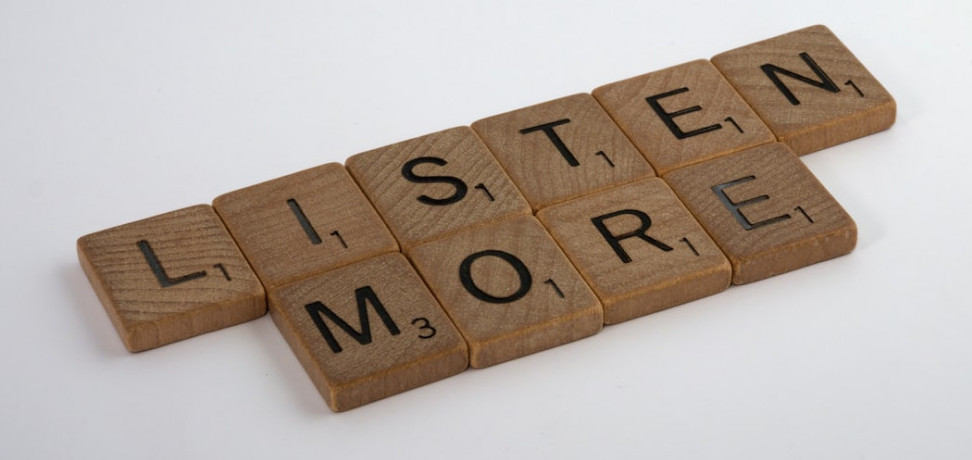
The answer is to remain a listener. That is right just listen. Acknowledge the peer’s story!
Non-judgmental
Ready to give an opinion? Does your perspective really help?
Often a peer just wants to voice a story. An event in their life. They require someone open to being nonjudgmental, so the peer can speak without persecution. It remains a police person’s job to be judgmental, in which a court of law acts to judge a person.
What is being spoken could be taken out of context easily, due to states of confusion.
Acting as a peer that strives to help other people recover. The peer gives advice from their own lived successful recovery.
The peer is simply informing the person in distress of self-determined steps they did to heal. Which opens trust to the mutual bond.
First Aid in a Mental health crisis
A person in a mental crisis. As deemed by many a spiritual emergency. In this state of being, the person needs to be protected in their environment. On approaching the situation, a peer can use a non-threatening voice and tone. And reassure that you are interested in helping the peer.

Relinquish Authority
Often people’s first reaction is to take on an authoritative voice. A tone of telling someone what they think is right or normal behavior. This is dictating and a very coercive attitude. A peer of someone in distress trying to help needs to relinquish authority and strive to make a safe environment for the individual. Dialogue that is encouraging is more likely to de-escalate the event.
Open the peer to the conversation. When a peer is given a mutual dialogue, they will usually be more inclined to listen for a shared experience.
Safe Boundaries
The reality is a peer requires safe boundaries established to ensure well-being while helping a peer. It is recommended to debrief with someone you trust. Share only the story or event to hear yourself objectively. How are you reacting when relaying the story? Are you responding to the peer with heightened stress or agitation?
A peer can be open to challenging dialogue, and it is essential that it does not trigger your own past trauma or flashback of past distress. It is better to let the peer know, that their choice of words is not helping. Give the peer another suggested word they could use to express the situation, acknowledging their pain and frustration.
Conclusion
There is certainly some confusion about how exactly to react to someone in mental distress. During an emergency, the best practice is to remain calm and cool. Take a step back and breath!
Think to yourself, if this was me in this situation. How would I want someone to help?
Do what you can, while remaining safe.
Use your empathy, and feel the peer’s perspective. Often when a person is in mental distress, they do not communicate clearly, so hence they need time to express themselves.
I welcome you to discover more lived experience articles around mental health and person-centered recovery at peer for mental health.
Many thanks and kind regards
Erica Golding



Leave a Reply